

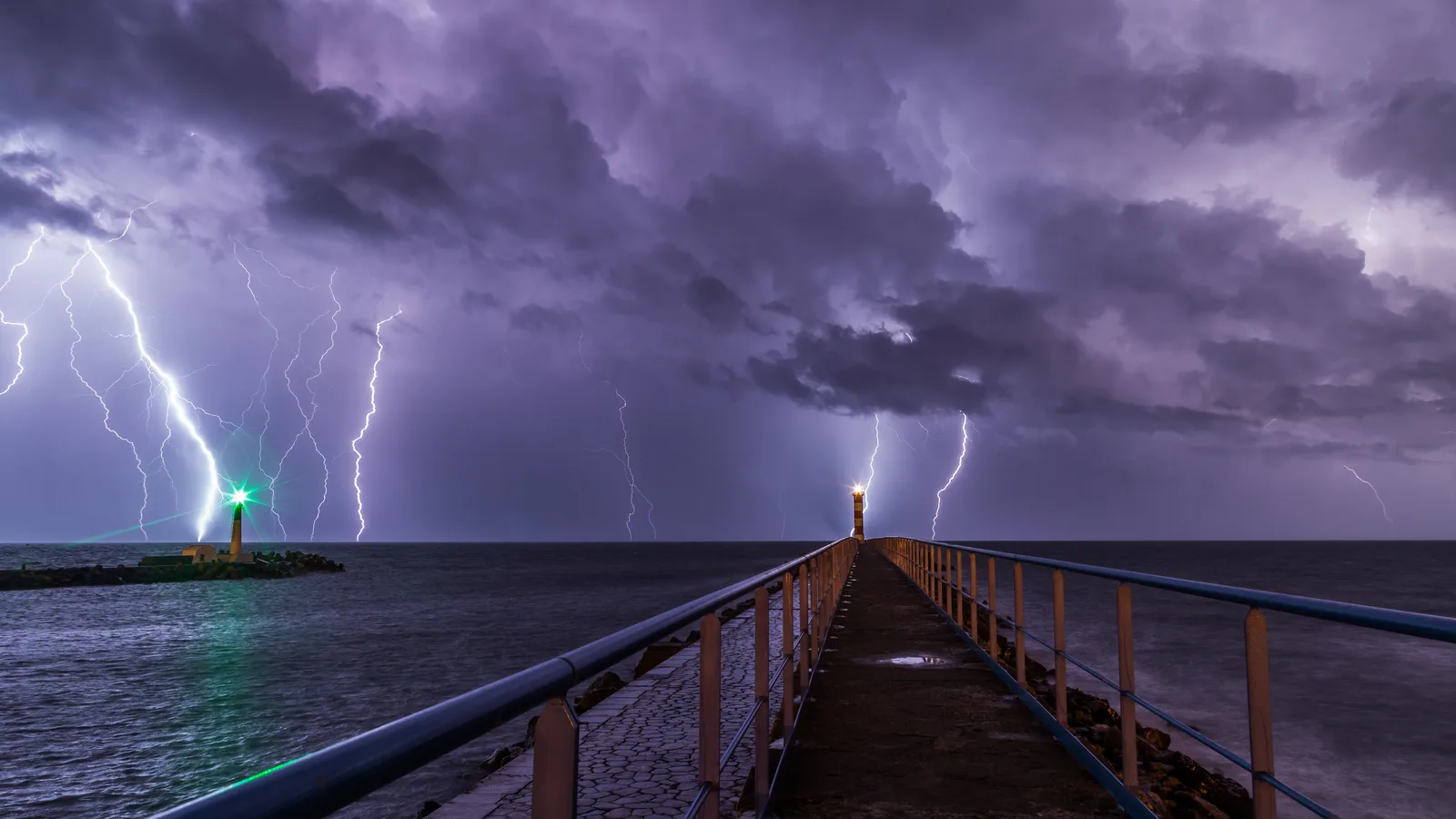
A severe thunderstorm watch pops up on your phone and you have about two seconds to decide whether it matters. It does matter, but probably not in the way you think. A watch and a warning are different things, and mixing them up is the most common weather mistake there is.
Updated October 2026. This is general safety information, not advice for your specific situation. Always follow instructions from your local emergency services.

1. Watch means possible, warning means happening
Here is the whole thing in one line. A watch means conditions are right for severe storms. A warning means one is happening now or about to.
A trick that sticks: think of making a cake. A watch is having the ingredients on the counter. A warning is the cake in the oven.
2. What counts as severe
Severe is not a feeling, it is a measurement. The National Weather Service says a thunderstorm is severe when it produces either of these:
- Winds of 58 mph or more, or
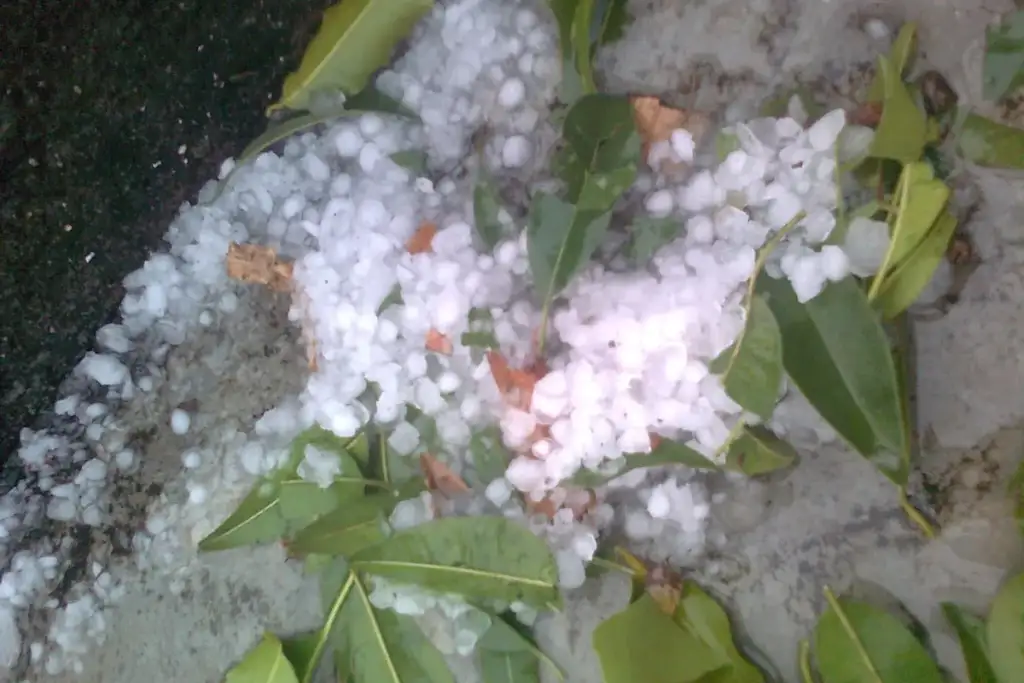
- Hail at least 1 inch across, which is about the size of a quarter.
Either one on its own is enough. A storm can be loud, dark and soaking wet and still not be severe, because heavy rain and thunder are not part of the definition.
3. How long each alert lasts
The two alerts cover very different amounts of space and time.
- A severe thunderstorm watch covers a big area, often several counties, and typically runs for several hours. Some offices describe a typical window of four to eight hours.
- A warning covers a small area in the path of one storm and is normally issued for 30 to 60 minutes at a time.
That is why a watch can sit over you all afternoon with nothing happening. It is doing its job. It is telling you to keep an eye out.
4. What to do in each case
Different alert, different response. Neither one should make you panic.
- During a watch: carry on, but stay reachable. Charge your phone. Bring in loose garden furniture. Think about where you would shelter. If you are planning to be far from a building, reconsider.
- During a warning: go inside a sturdy building, away from windows. Stay there until it passes. Do not wait to see it first.
5. Two tiers above the basic warning
Some weather offices add stronger labels when a storm is worse than the minimum. Blacksburg in Virginia, for example, lists these:
- Considerable: winds around 70 mph, or hail about 1.75 inches.
- Destructive: winds of 80 mph or more, or hail around 2.75 inches.
If you see either word, treat it as a reason to move indoors immediately rather than finish what you were doing.
6. The lightning rule that matters more than any of this
Most thunderstorms never become severe. Lightning does not care. It is the part of an ordinary storm most likely to hurt you, and it can strike before the rain reaches you.
So remember the simple version: when thunder roars, go indoors. If you can hear thunder at all, you are close enough to be struck. Wait until 30 minutes after the last rumble before going back out.
That rule covers you whether or not anyone has issued a severe thunderstorm watch, which is exactly why it is worth knowing.
Who issues a severe thunderstorm watch, and who issues a warning
Two different offices do the two jobs, which explains why they cover such different areas.
- Watches come from the Storm Prediction Center, a national office that looks at the big picture across the country and spots regions where the atmosphere is loaded for severe storms.
- Warnings come from your local weather office, which is watching individual storms on radar and hearing from trained spotters on the ground.
So a watch is drawn with a wide brush by people looking at a map of the country. A warning is drawn tightly around one storm by people looking at your area.
Common mistakes worth avoiding
Four habits cause most of the trouble, and all four are easy to fix.
- Waiting to see it. Going outside to look during a warning is the opposite of what you should do.
- Sheltering under a tree. A tree is one of the worst places in a storm, not a shelter.
- Assuming a car is unsafe. A hard topped car is reasonable shelter from lightning if no building is near. Avoid touching metal inside it.
- Turning alerts off. If the noise annoys you, change the setting rather than switching off emergency alerts completely.
None of this needs you to follow the weather closely. It needs you to know which word you are looking at, and what the sound of thunder means. Our guide to the winter weather forecast covers the seasonal picture, and how to check an AI answer is a good habit when a weather claim is doing the rounds online.
One final note on wording you will see alongside these alerts. A tornado watch and a tornado warning follow exactly the same logic, with watch meaning possible and warning meaning now. If a tornado warning is issued where you are, the advice is firmer: get to the lowest floor, into an inside room away from windows, and stay there until it passes. The vocabulary is shared, so learning it once covers both.
Common questions
What is a severe thunderstorm watch? An alert that conditions are right for severe storms across a wide area, usually for several hours. It does not mean a storm is happening yet.
Is a watch or a warning worse? A warning. It means severe weather is happening now or is about to, in your immediate area.
What makes a storm officially severe? Winds of 58 mph or more, or hail at least 1 inch across. Either one qualifies.
How long does a watch last? Usually several hours. Some weather offices give a typical range of four to eight hours, against 30 to 60 minutes for a warning.
Do I need to shelter during a watch? Not immediately. Stay alert, keep your phone charged and know where you would go. Shelter straight away during a warning, or any time you hear thunder.
Sources and further reading
Where the figures and rules above come from, so you can check them:
- The definitions of watch, warning and severe: National Weather Service, Severe Weather Definitions
- What counts as a severe thunderstorm, and alert durations: National Weather Service Birmingham
- Official thunderstorm safety guidance: National Weather Service, Thunderstorm safety
- Who issues watches, and how: NOAA Storm Prediction Center
Photo credits: Port and lighthouse overnight storm with lightning in Port-la-Nouvelle by Maxime Raynal from France, CC BY 2.0, via Wikimedia Commons. Sunlight and stormy sky over the mountains and paddy fields in Vang Vieng, Laos by Basile Morin, CC BY-SA 4.0, via Wikimedia Commons. Hail stones in Chinawal by abhiriksh, CC BY-SA 3.0, via Wikimedia Commons.



Join the discussion