

Advice on what to wear in Pakistan is usually given as a single rule, and the country is far too varied for one. It stretches from the Karakoram to the Arabian Sea, and the sensible outfit for Skardu in February has almost nothing in common with the sensible outfit for Karachi in June. What does carry across is a general expectation of modest dress in public, which is the point every government travel advisory makes, and which is easy to meet once you know what it actually asks for.
Updated October 2026. General guidance, not a safety assessment. Several governments currently advise against travel to parts of Pakistan, so read your own country’s current advisory before you book, and follow local guidance once you arrive.
The one principle that covers most situations
The UK Foreign, Commonwealth and Development Office puts it plainly: Pakistan is an Islamic country, and visitors should dress modestly, with men and women covering their shoulders and legs in public. Canada’s advice is consistent and adds a detail worth packing around: shorts are considered inappropriate for both men and women, particularly outside the big cities.
Loose matters as much as covered. Lightweight, loosely cut clothes in natural fabrics read as more appropriate and are also far more comfortable in heat than close-fitting Western summer clothing. That is the whole trick. You are not being asked to wear something unfamiliar so much as to avoid tight, short and sleeveless in public settings.
What to wear in Pakistan as a woman
This is the question most visitors arrive with, so here is the specific version. Government advice is to cover shoulders, upper arms and legs in public, and to cover your head when entering mosques and other holy places. The FCDO extends the head-covering point to more rural areas, and Canada’s advice is simply to carry a headscarf so you have one when you need it. A light scarf in a bag solves this for the whole trip.
The practical outfit many visitors settle on is a shalwar kameez, the long tunic and loose trousers worn widely across the country, usually with a dupatta scarf. It is not a requirement and nobody expects a visitor to arrive in one, but it covers what the advice asks for, it is cut for the climate, and it is easy and inexpensive to buy locally in a day. Loose trousers or a long skirt with a long-sleeved top and a scarf meet the same standard perfectly well.
Expectations are not uniform. In the larger cities you will see a wide range of dress, including Western clothing, and in some settings a smart long-sleeved top with trousers is unremarkable. In smaller towns and villages local dress is the norm and standing out less is usually the easier choice. Treat it as reading the room rather than following one national rule.
What men are expected to wear
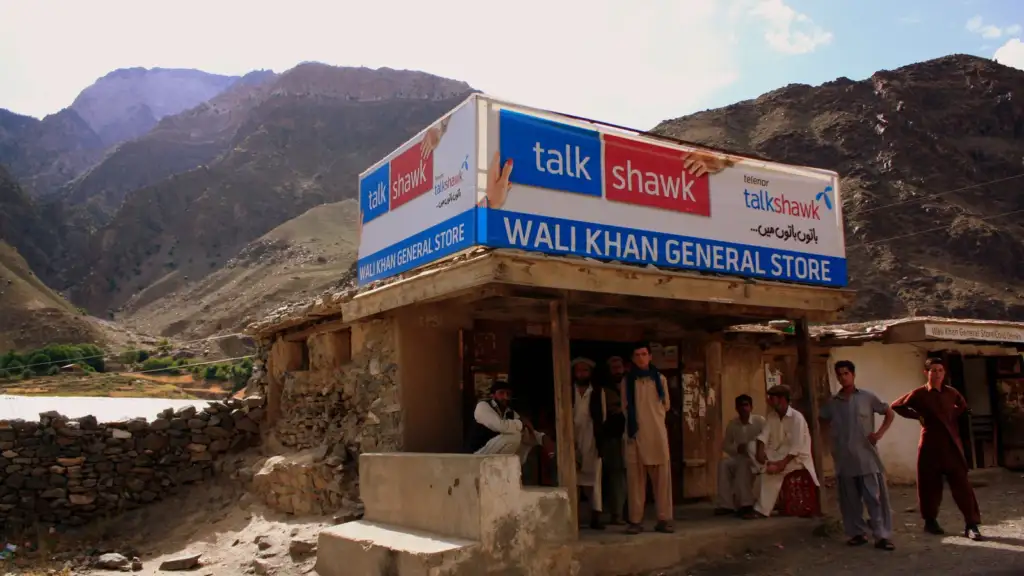
The same modesty advice applies and is often overlooked. Cover shoulders and legs, which in practice means trousers rather than shorts and a shirt or T-shirt with sleeves. Shorts are the single most common mistake, and Canada’s advice singles them out for men as well as women. A shalwar kameez is also ordinary everyday dress for men and is comfortable in heat. For religious sites the expectation is long trousers and covered arms.
8 simple rules for dressing well as a guest
- Cover shoulders and legs in public. Men and women, and in cities as well as villages.
- Choose loose over fitted. It reads as more appropriate and it is cooler.
- Carry a light scarf. It covers your head at a mosque, your shoulders in a conservative area, and your face in dust.
- Leave the shorts at home. Including hiking shorts, which are the version most travellers forget.
- Pack for altitude, not for a country. The north needs layers in any season; the plains need lightweight natural fabrics for most of them.
- Wear shoes you can slip off. Footwear comes off before entering mosques and many homes.
- Check the calendar. During Ramadan, eating, drinking, smoking and chewing gum in public in daylight are not acceptable, and dress and behaviour attract more notice.
- Ask before photographing people. It belongs in the same category of courtesy, and photographing military sites, airports and infrastructure is prohibited.
Regional and seasonal reality
The Pakistan Meteorological Department divides the year into four seasons: a cool or cold winter from December to February, a pleasant spring from March to May, the south-west monsoon and summer rains from June to September, and a dry autumn in October and November. January averages around 4C in Punjab, with sub-zero temperatures in the far north and parts of Balochistan. In the plains the mean temperature in June is about 38C.
Those averages drive the packing list more than anything cultural. Karachi’s sea breezes keep its temperatures relatively uniform, while inland areas swing 11C to 17C between day and night, so a layer you can add in the evening earns its space. The monsoon runs roughly June to September and brings flooding, landslides and road closures, which argues for footwear that copes with water and mud rather than sandals.
Religious sites and formal settings
At mosques and shrines, cover arms and legs; women should cover their head. Shoes come off at the entrance, so slip-on footwear and socks you are happy to be seen in make the visit easier. For invitations to homes or offices, err towards smarter and more covered than you would at home. If you are still planning the trip, how to read visa requirements is worth a look before you book, a travel tech checklist covers the devices and adapters, and how early to get to the airport applies to the long-haul legs.
Common questions
Do women have to cover their hair in Pakistan? Government advice is to cover your head when entering mosques and other holy places, and the FCDO extends that to more rural areas. Carrying a light scarf covers every case.
Can I wear jeans in Pakistan? Jeans are common in cities. The advice that matters is about coverage and fit: full-length and not tight, worn with a top that covers the shoulders and upper arms.
Are shorts acceptable anywhere? Canada’s travel advice describes shorts as inappropriate for both men and women, particularly in remote locations. Lightweight trousers are the safer choice throughout.
What should I pack for the northern mountains? Layers in any season. Far northern areas and parts of Balochistan drop below freezing in winter, and inland day-to-night swings of 11C to 17C are normal.
Does dress matter more during Ramadan? Behaviour certainly does. Travel advice is not to eat, drink, smoke or chew gum in public during daylight hours, and to be more careful than usual about dress and conduct.
Sources and further reading
Where the figures and rules above come from, so you can check them:
- Modest dress, covering shoulders and legs, head covering, Ramadan, alcohol and photography rules: UK Foreign, Commonwealth and Development Office, Pakistan travel advice
- Local customs, terrorism and crime context, and behaviour in public: FCDO, Pakistan safety and security
- Dressing conservatively, shorts, carrying a headscarf, photography and the monsoon season: Government of Canada, travel advice for Pakistan
- The four seasons as defined by the Pakistan Meteorological Department, and regional temperatures: Climate of Pakistan
Photo credit: Men in shalwar kameez on the road to Kalash, Pakistan by Manal Khan, May 13, 2012, CC BY 2.0, via Wikimedia Commons.



Join the discussion