


Most advice about how to start a travel blog is about equipment and posting schedules, which are the two things that matter least. What decides whether anyone reads it is whether each page answers a question somebody was already trying to answer, and whether the site is trustworthy enough to be worth ranking. Both of those are covered by published guidance rather than guesswork: Google documents what it is looking for, and the Federal Trade Commission documents what you must disclose once money is involved.
Updated October 2026. General information, not legal advice. Disclosure and privacy rules differ by country, so check the rules where your readers are.
Start with the three questions Google tells you to answer
Google’s own guidance on creating helpful content asks publishers to be clear about who, how and why: who made the page, how it was produced, and why it exists at all. The instruction is blunt. Google tells creators to focus on “people-first content” rather than content built to collect search traffic, and it names the patterns it treats as the opposite: mass production, automation abuse, chasing trending topics with no relevant expertise, and changing dates to fake freshness.
It also names what it values: originality, factual accuracy, clear sourcing, visible authorship, and first-hand experience. For a travel site the experience part is the genuine advantage. You actually went, you actually queued, you actually found out that the ticket office closes at lunchtime. Write the pages where that is the difference, and your competitors cannot simply copy them.
7 simple steps to start a travel blog
- Pick a subject narrow enough to finish. One region, one kind of trip, or one constraint such as travelling with a disability or on a single carry-on bag. Narrow subjects let you answer the same reader twice.
- Buy your own domain and host it yourself. Everything you build on a platform you do not control can be reorganised or shut without notice, and the audience does not come with you.
- Write down your who, how and why before the first post. Author page, a plain statement of how you research, and the reason the site exists. Google asks for all three.
- Give each page one job. One practical question, answered completely, with the details that are hard to find elsewhere: opening hours, prices you paid, which entrance to use, what went wrong.
- Connect Search Console and then wait properly. Google says some changes take effect in hours and others can take several months, and advises allowing several weeks before judging results.
- Disclose paid links beside the link. Not on a separate disclosures page. The FTC’s position is that the reader has to see the disclosure and the recommendation together.
- Keep publishing on a schedule you can hold for a year. One good page a week beats thirty in a fortnight and then silence.
What the FTC requires once there is money involved
Affiliate links are the normal way travel sites earn, and they are regulated. The FTC’s Endorsement Guides, codified at 16 CFR Part 255, require you to disclose a material connection between you and the advertiser. Its guidance is specific about placement: the closer the disclosure sits to the recommendation, the better, and a single disclosure elsewhere on the site is inadequate when the review and the link are separated.
Wording matters too. The FTC accepts plain statements along the lines of Paid link, or a sentence saying you earn commissions on purchases made through links in the post. It regards the bare phrase affiliate link as insufficient, because ordinary readers do not necessarily know that it means you are paid. The requirement also applies to products you were given free to review, which is a separate disclosure from the commission one.
What you can safely ignore
Google’s SEO starter guide is unusually direct about non-issues. It says not to worry about meta keywords, keyword stuffing, putting exact keywords in the domain name, minimum or maximum content length, the order or number of headings, or whether you use a subdomain or a subdirectory. It also states that experience, expertise, authoritativeness and trustworthiness is not itself a ranking factor, even though the qualities behind it are what the helpful content guidance asks for.
What it does say carries the most weight is content people find compelling and useful, organised logically with descriptive URLs grouped by topic. That is a short list, and it is the list to work from when you start a travel blog rather than a longer one assembled from forum posts.
Cadence, and the part nobody enjoys
Consistency beats intensity, and the reason is mechanical rather than moral. A site with fifty pages that each answer one question has fifty chances to match a search; a site with five long diary entries has five. Pick a rhythm you can hold through a bad month, because the months when you do not feel like writing are the ones that decide whether the archive ever gets big enough to work. One solid page a week for a year is a realistic target and a genuinely useful site.
Budget for maintenance too. Prices change, routes close, visa rules shift, and an out-of-date practical page is worse than no page, because somebody relies on it. Google explicitly warns against changing dates to create a false impression of freshness, so update the content itself and say what changed. That upkeep is the unglamorous half of the job and the half that keeps traffic.
Where the time actually goes
Expect the first year to be mostly writing and very little traffic, because search engines need time and because a new site has nothing to be trusted for yet. Spend that year building the pages only you can write. If you are covering entry rules, our guide to reading visa requirements shows the level of specificity readers want; a travel tech checklist is the kind of practical page that keeps earning visits; and how Google ranking works covers the search side in more detail.
Common questions
Do I need my own domain to start a travel blog? It is the safer choice. On a hosted platform you do not control the URLs, the layout or whether the service continues, and an audience built there does not transfer with you.
How long before a new travel blog gets search traffic? Google does not give a figure. Its starter guide says some changes take a few hours and others could take several months, and advises waiting several weeks before assessing results. Plan in months, not weeks.
How do I disclose affiliate links correctly? Put the disclosure next to the link itself, in plain words such as Paid link. The FTC says a separate disclosures page is not enough when the review and the link are apart.
Does post length affect rankings? Google’s starter guide explicitly lists content length as something not to worry about. Length should follow the question you are answering.
Can AI write the posts for me? Google asks publishers to explain how content is produced, including any use of automation, and treats mass-produced content made mainly for search as a problem. Disclose the method and keep the first-hand detail human.
Sources and further reading
Where the figures and rules above come from, so you can check them:
- Who, how and why; the people-first instruction; and the patterns Google treats as search-engine-first: Google Search Central, creating helpful, reliable, people-first content
- Timescales, what matters most, and the explicit list of things not to worry about: Google Search Central, SEO starter guide
- Affiliate disclosure placement, acceptable wording and free products: Federal Trade Commission, the Endorsement Guides: what people are asking
- The Guides themselves, 16 CFR Part 255: Federal Trade Commission, Guides Concerning Endorsements and Testimonials
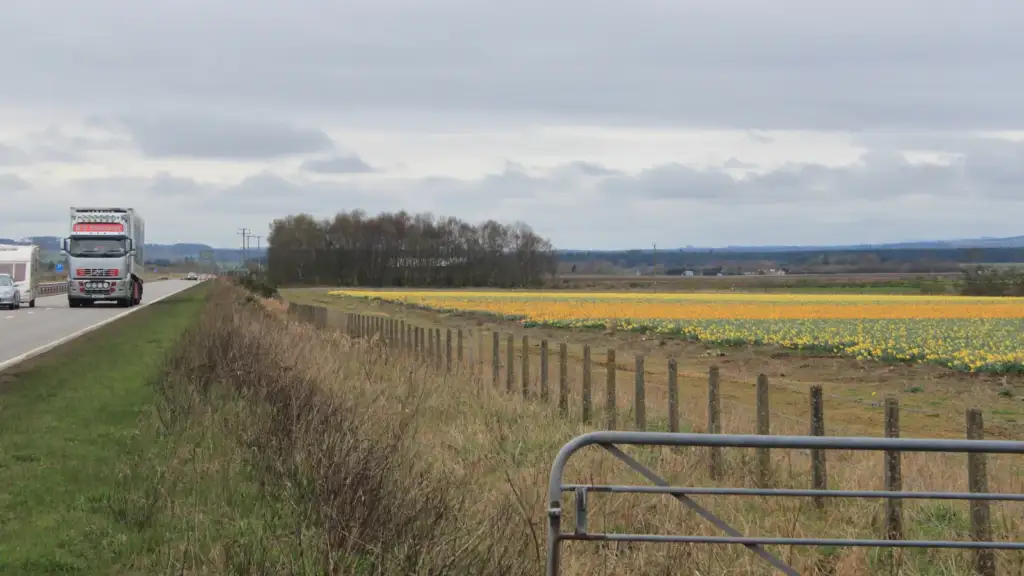
Photo credit: Easter travellers on the A90 pass a daffodil landscape – geograph.org.uk – 2892153 by Roger Davies, CC BY-SA 2.0, via Wikimedia Commons.


Join the discussion