
A credit note is the document a seller issues to reduce or cancel an amount already invoiced, because goods came back, a price was wrong or a discount was agreed after the event. It is the correct way to fix an invoice that has been sent. Editing or deleting the original instead breaks the record that tax authorities and auditors expect to follow from start to finish.
Updated September 2026. General information, not tax or legal advice. Rules vary by country.
When to issue a credit note
The situations are similar in most countries. India’s GST law, for example, lists them in Section 34 of the CGST Act, and the same triggers apply elsewhere in practice.
- The invoice overstated the price or the tax.
- The customer returned goods.
- Goods or services turned out to be deficient, and you agreed a reduction.
- A discount was agreed after invoicing, such as a volume rebate.
- An order was cancelled after the invoice went out.
When not to
HMRC’s VAT Trader Records Manual says a UK correction of this kind must fix a genuine mistake or overcharge, or reflect an agreed reduction in the value of a supply, and must give value to the customer. It must be issued in good faith and not for a bad debt. A customer who simply has not paid is a collections problem, not a reason to credit the invoice.
The 9 details a valid one should include
India’s Rule 53(1A) sets out nine particulars, and they make a sound checklist wherever you trade, because UK and EU rules ask for broadly the same information.
- Your name, address and tax registration number.
- A clear title, stating that the document is a credit note.
- A unique serial number, in a consecutive series.
- The date of issue.
- The customer’s name, address and registration number, if they are registered.
- The delivery address, where the customer is unregistered and your local rules ask for it.
- The number and date of the original invoice being corrected.
- The value credited, the tax rate and the tax amount credited.
- A signature or digital signature of the supplier or an authorised person.
The original invoice reference is the field that matters most. The EU VAT Directive, in Article 219, treats a document that amends an earlier invoice and refers specifically and unambiguously to it as an invoice in its own right. Without that link, the document is just a number with a minus sign.
The rules by country
United Kingdom
HMRC’s manual, citing Regulation 15C of the VAT Regulations 1995, says the document must be issued within 14 days of the decrease in consideration and must contain the details set out in VAT Notice 700.
European Union
Because Article 219 treats the correcting document as an invoice, it falls under the same content and format rules. That matters in countries with e-invoicing mandates. Belgium has required structured e-invoices between VAT-registered businesses since 1 January 2026, and Germany requires larger businesses to issue them from 1 January 2027 and everyone from 1 January 2028. If your invoices go out through Peppol or a similar network, check with your provider that corrections go through the same channel rather than as a PDF.
India
Section 34(2) of the CGST Act requires the details to be declared in the return for the month it was issued, and no later than 30 November following the end of the financial year of the original supply, or the date the annual return is filed, whichever is earlier. A proviso now blocks the supplier’s tax reduction if a registered recipient has not reversed the matching input tax credit. The serial number can be up to sixteen characters and must be unique for the financial year.
United States
With no federal VAT, the same document is often called a credit memo, and the content rules come from your contracts, state sales tax rules and accounting practice rather than one national standard.
Worked example
These figures are invented for illustration, using a 20 percent VAT rate.
- Original invoice INV-2026-0142: 50 units at 20.00, net 1,000.00, VAT 200.00, total 1,200.00.
- The customer returns 8 damaged units.
- Document CN-2026-0017, referencing INV-2026-0142: 8 units at 20.00, net 160.00, VAT 32.00, total credit 192.00.
- Amount now owed on the invoice: 1,008.00.
If the customer had already paid the full 1,200.00, you either refund 192.00 or hold it against their next invoice, and the choice should be recorded on the account. For a bigger correction, such as a wrong price across every line, many businesses credit the whole invoice and issue a fresh one, which our invoice generator can produce in a few minutes.
How it differs from a refund or a debit note
- A credit note reduces what the customer owes on paper.
- A refund is the money actually going back. It may follow the credit document, but it is a payment, not a document, and a receipt can confirm it.
- A debit note does the opposite. Under India’s Section 34(3), a supplier issues one when the invoice understated the value or tax, and the Act treats a supplementary invoice as a debit note.
For how invoices and receipts relate to one another, see our guide to invoice vs receipt.
Common mistakes
- Deleting or overwriting the original invoice. Keep it and credit it.
- Omitting the original invoice number, which leaves the correction unexplained.
- Crediting the wrong amount of tax, rather than the tax actually charged on the items being credited.
- Missing a deadline, such as 14 days in the UK or the 30 November cut-off in India.
- Numbering credits inside the invoice sequence in a way that creates gaps. Our guide to invoice numbering covers separate series.
Common questions
What is a credit note used for? To reduce or cancel an invoice already issued, for example after returned goods, an overcharge or an agreed discount. It keeps the original invoice intact and records the change.
Is a credit note the same as a refund? No. The note changes what is owed. A refund is money paid back. You can issue one and then refund it, or leave the credit on the account.
How long do I have to issue a credit note in the UK? HMRC’s manual says within 14 days of the decrease in consideration, and the note must reflect a genuine error or agreed reduction.
Does a credit note need its own number? Yes. UK, EU and Indian rules all expect a unique sequential number, and it should also quote the number and date of the invoice it corrects.
Can I issue a credit note for an unpaid invoice? Only if the amount genuinely changed. HMRC’s manual says one should not be used for a bad debt.
Sources and further reading
Where the figures and rules above come from, so you can check them:
- Conditions HMRC sets for a valid correction: HMRC VAT Trader Records Manual, VATREC13040
- VAT invoices, numbering and the 30 day issuing limit: HMRC VAT Notice 700
- EU invoicing rules, Articles 219 to 240: Council Directive 2006/112/EC (EUR-Lex)
- Corrections to tax invoices, Section 34 CGST Act: CBIC, Government of India
- Particulars required by Rule 53 of the CGST Rules: CBIC, Government of India
- Belgium B2B e-invoicing from 1 January 2026: European Commission
- Germany B2B e-invoicing phase-in: European Commission
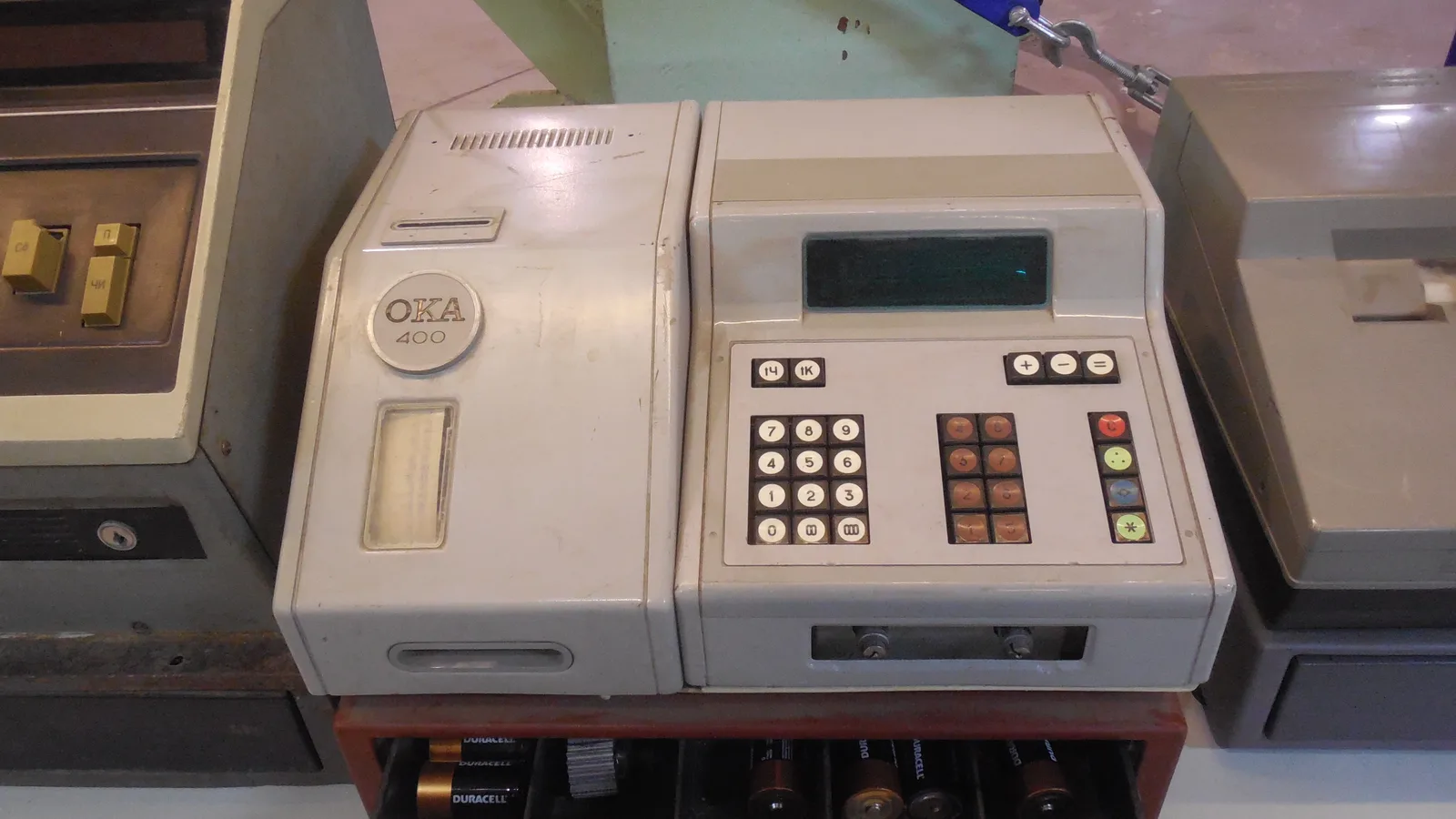
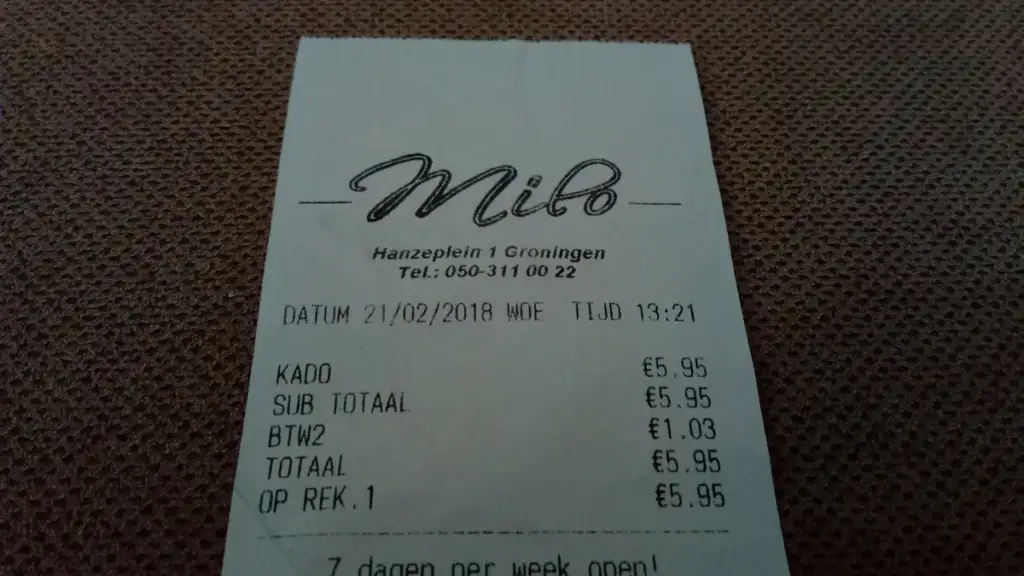
Photo credits: Polytechnical Museum OKA 400 cash register 20150214 165729 by Svetlov Artem, CC BY 4.0, via Wikimedia Commons. Milo receipt, Winschoten (2019) 04 by Donald Trung Quốc Đôn, CC BY-SA 4.0, via Wikimedia Commons.


Join the discussion