


Purchase order vs invoice comes down to who sends the document and when. A buyer issues a purchase order to request goods or services on stated terms. The seller issues an invoice to request payment for what was actually supplied. The two carry many of the same details, which is exactly why they get confused, and why buyers compare them line by line before any money moves.
Updated September 2026. General information, not tax or legal advice. Rules vary by country.
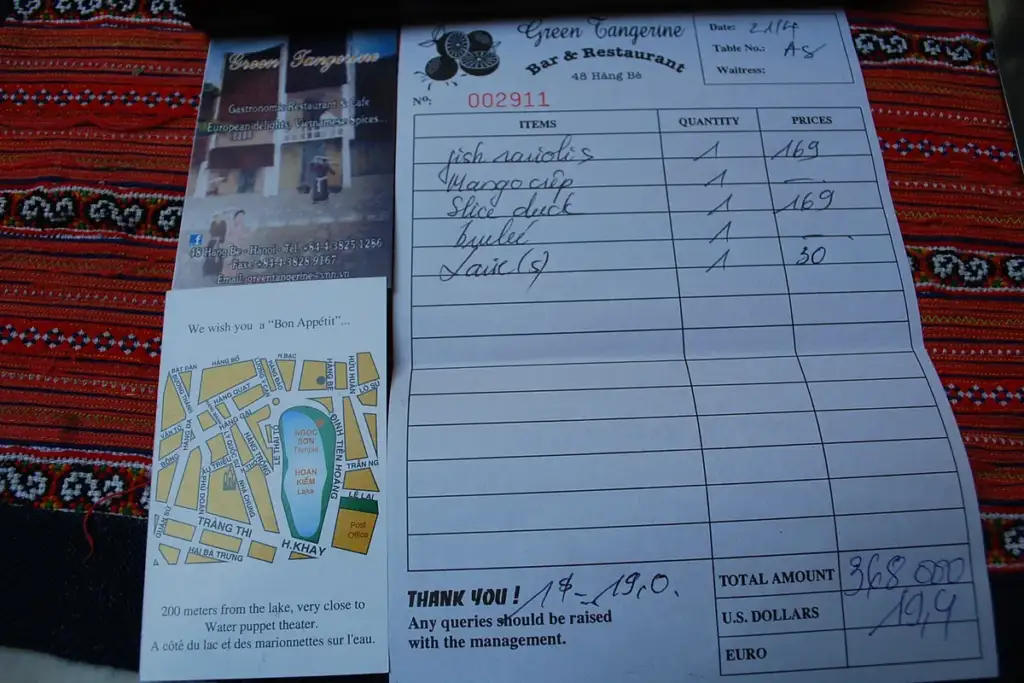
Purchase order vs invoice: the 6 differences
- Who issues it. The buyer writes the purchase order. The seller writes the invoice.
- When it is issued. The purchase order comes before supply. The invoice comes after supply, or at an agreed billing point.
- What it asks for. A purchase order asks for goods or services. An invoice asks for money.
- Legal effect. In US federal procurement, FAR 13.004 treats an order as an offer to buy, which becomes a contract when the supplier accepts it, including by delivering or starting the work. In private trade the effect depends on local contract law and any terms the parties agreed.
- Tax status. The invoice is the tax document. VAT and GST rules in the UK, the EU and India set out what an invoice must contain. A purchase order has no such status and cannot support a tax reclaim.
- What it records. A purchase order records what was requested. An invoice records what was delivered, at what price, with tax, which is not always the same thing.
What each document contains
A typical purchase order
- Purchase order number and date.
- Buyer and supplier names and addresses.
- Items or services, with quantities and agreed prices.
- Delivery address and required delivery date.
- Payment terms, such as net 30.
- A reference to the buyer’s terms and conditions.
A typical invoice
- A unique invoice number and invoice date.
- Supplier and customer details, with tax registration numbers where required.
- Description, quantity and unit price of what was supplied.
- Tax rate and tax amount, where the seller is registered.
- Total due, payment terms and how to pay.
- The buyer’s purchase order number.
That last line is often a condition of payment. For US federal contracts, FAR 52.232-25 lists the contract or order number among the items a proper invoice must include, and many private buyers apply the same rule in their own procurement.
How the two are matched before payment
Larger buyers commonly use a three-way match. Accounts payable compares three documents: the purchase order, the goods received record, and the supplier’s invoice. If quantities, prices and references line up, the invoice is approved for payment. If they do not, the invoice is held until someone resolves the difference, which delays payment even when the goods themselves were fine.
Smaller businesses often use a two-way match, comparing only the purchase order and the invoice. Either way, a supplier who copies the order details accurately onto the invoice removes the most common reason for a hold.
When the job changes after the order
Orders and reality drift apart. A customer asks for extra units, a price moves, or part of the work is dropped. The safer route is to ask the buyer for an amended purchase order, or a written change confirmed against the original order number, before you deliver the difference. An invoice for work the order never covered is exactly what a matching process is built to stop, and chasing it afterwards takes far longer than a two line email beforehand.
Blanket orders
Some buyers issue one purchase order to cover repeated deliveries over a period, often with a spending limit. Each invoice then quotes the same order number, and it helps both sides if the invoice also shows the delivery date or period it covers, so the buyer can see how much of the limit has been used and the supplier can spot early when a new order will be needed.
Worked example
All figures are invented for illustration.
- Purchase order PO-7781: 200 boxes of copier paper at 4.50, total 900.00, net 30.
- The supplier delivers 180 boxes. The other 20 are on back order.
- Correct invoice: 180 boxes at 4.50, total 810.00 before tax, quoting PO-7781.
- The purchase order stays open for the remaining 20 boxes, which are invoiced when delivered.
If the supplier had invoiced the full 900.00, the three-way match would fail on quantity. The fix is a credit note for 90.00 before tax, or a replacement invoice, rather than an argument about who miscounted.
Purchase order vs invoice under e-invoicing
Mandatory e-invoicing turns the invoice into structured data that software reads directly. Belgium has required structured e-invoices between VAT-registered businesses since 1 January 2026, using Peppol BIS Billing 3.0. Germany requires businesses with turnover above 800,000 euros to issue them from 1 January 2027 and all businesses from 1 January 2028. When a buyer’s system matches invoices automatically, a purchase order number typed in a free text note rather than the proper field is easy to miss, so it is worth checking where your software places it.
Where both fit in the document sequence
- Quote. The seller prices the work. Our quote generator covers this step, and our guide to quote vs estimate explains when the price is binding.
- Purchase order. The buyer accepts and orders. Exporters may send a proforma invoice around this point.
- Delivery. Goods or services are supplied and recorded.
- Invoice. The seller bills, quoting the order. Our invoice generator includes a reference field.
- Receipt. Payment is confirmed. See invoice vs receipt and our receipt generator.
Common mistakes
- Invoicing before receiving the purchase order, when the buyer requires one.
- Invoicing the ordered quantity instead of the delivered quantity.
- Using prices that differ from the order without an agreed change.
- Treating a purchase order as proof of a sale in your accounts.
Common questions
Is a purchase order legally binding? Often it is an offer that becomes binding when the supplier accepts it. FAR 13.004 says so for US federal orders. Elsewhere it depends on contract law and agreed terms.
Can I send an invoice without a purchase order? Yes, many businesses buy without purchase orders. If the customer uses them, though, an invoice without the order number is likely to be held.
Is a purchase order the same as an invoice for VAT? No. Only the invoice meets VAT invoice rules. A purchase order cannot be used to reclaim VAT or GST.
Why does an invoice need the purchase order number? It lets the buyer match the invoice to what they ordered and received. Without it, payment approval often stops.
Sources and further reading
Where the figures and rules above come from, so you can check them:
- Legal effect of quotations and orders, FAR 13.004: Acquisition.gov
- Prompt payment due dates and proper invoice contents, FAR 52.232-25: Acquisition.gov
- VAT invoices, numbering and the 30 day issuing limit: HMRC VAT Notice 700
- EU invoicing rules, Articles 219 to 240: Council Directive 2006/112/EC (EUR-Lex)
- Belgium B2B e-invoicing from 1 January 2026: European Commission
- Germany B2B e-invoicing phase-in: European Commission
Photo credits: Binders boxes shelves large archive by Rawpixel, CC0, via Rawpixel. Bill – Green Tangerine (4729784699) by Alpha from Melbourne, Australia, CC BY-SA 2.0, via Wikimedia Commons.


Join the discussion