

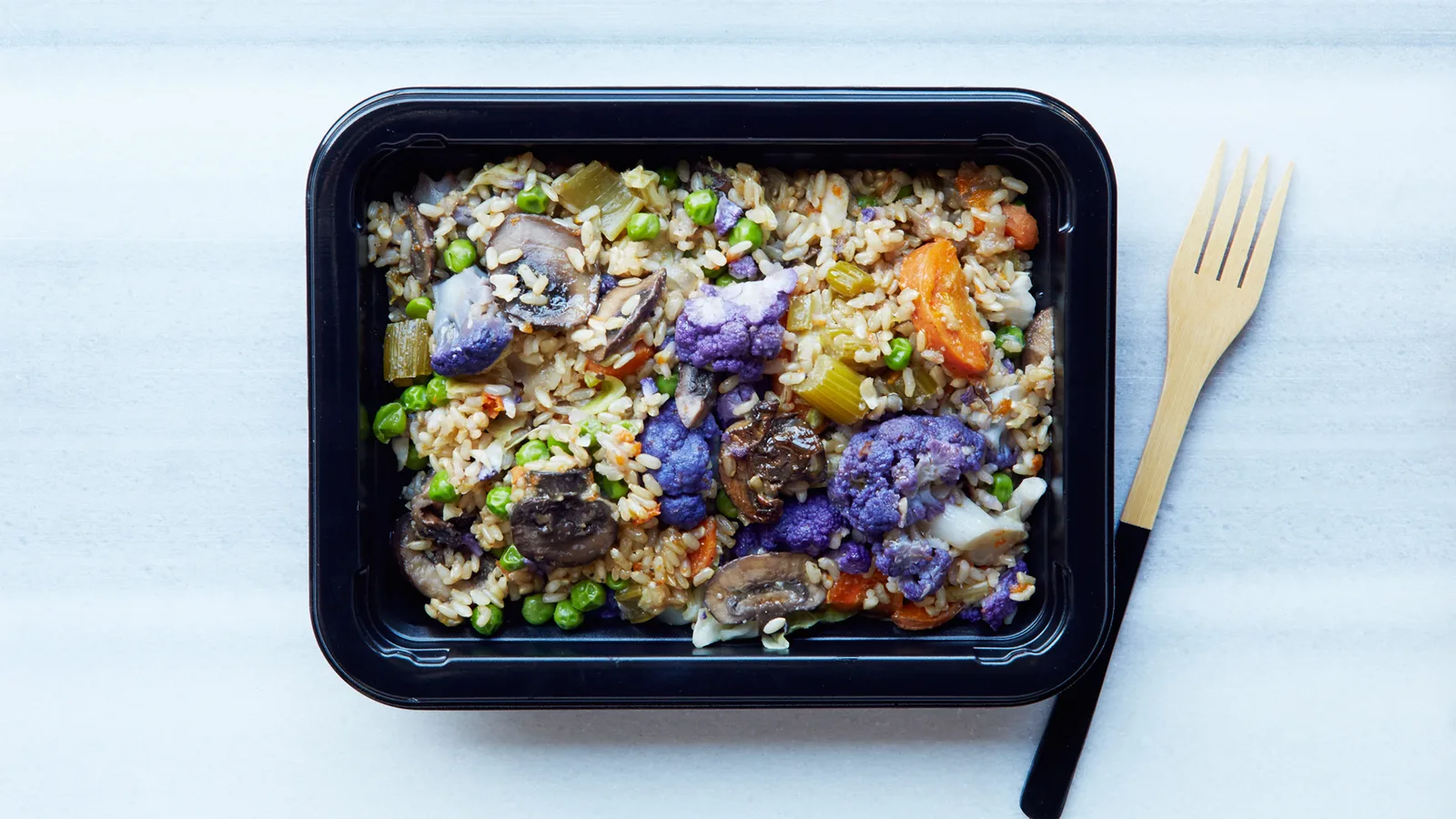
Most meal prep ideas fail for one of two reasons. Either the plan was too ambitious to survive a normal week, or the food was perfectly cooked and then stored in a way that made it unappealing or unsafe by Wednesday. Planning and batch cooking are the easy half. The temperatures and timings are the half worth getting exactly right, so this guide pairs practical methods with figures from food safety authorities in the United States and the United Kingdom.
Updated October 2026.
General information, not medical or dietary advice.
Start with the plan, not the recipes
A week that works usually rests on a small number of decisions taken before anything is cooked.
- Count the meals you actually need. Subtract the evenings you will eat out or eat with other people.
- Pick a component, not a menu. Cook a grain, a protein, a roasted vegetable tray and a sauce, then combine them differently each day. Repetition is the usual reason people abandon a batch.
- Choose one cooking session and one shopping trip. Two of each is how the habit breaks.
- Decide now what gets frozen. Anything you will not eat within the fridge window below should go into the freezer on the day it is cooked, not when it looks doubtful.
Cost discipline helps too, and it overlaps almost entirely with waste discipline: see our guide to saving money on groceries.
9 meal prep ideas that survive a real week
- Cook one grain in bulk. Rice, barley or another grain, portioned cold. Rice has its own safety rules, below.
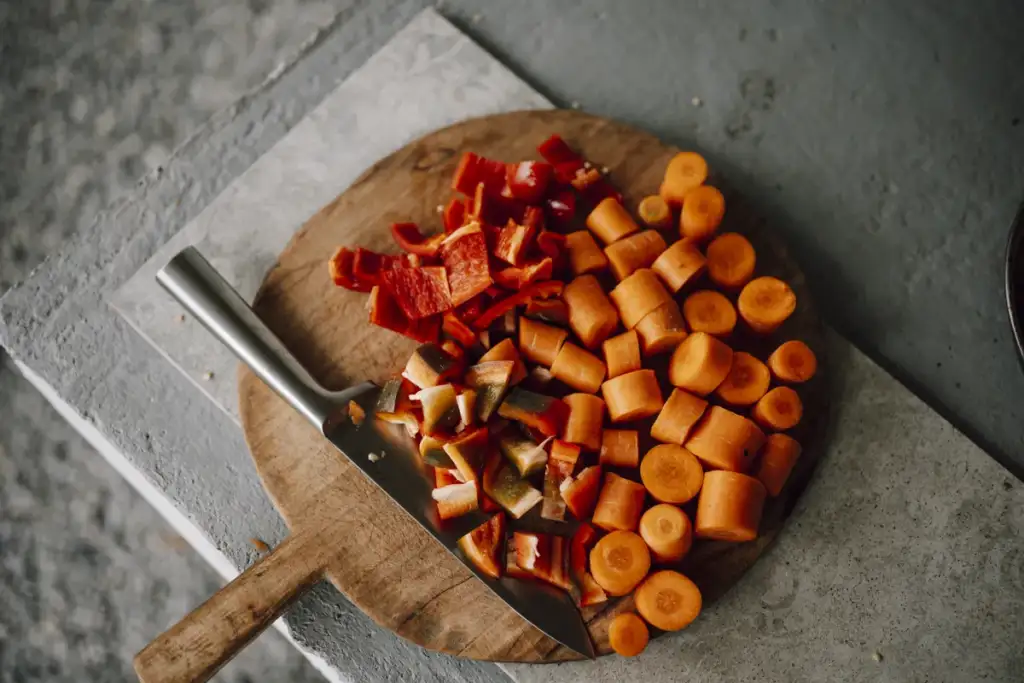
- Roast two trays of vegetables at once. Same oven, same time, different seasoning.
- Batch a single protein and split the flavouring. Plain cooked meat, beans or lentils take on a different character with a different sauce.
- Make one sauce or dressing. The cheapest way to make five identical lunches taste different.
- Freeze in single portions. Thin, flat packages chill and thaw far faster than a single deep block.
- Prepare a breakfast that needs no cooking. Overnight soaked oats or similar, assembled the night before.
- Keep a soup or stew base. One pot that becomes several meals with different additions.
- Pre-cut only what keeps well. Sturdy vegetables tolerate being cut in advance; soft leaves and cut fruit generally do not.
- Label everything with the date. The single habit that makes every storage rule below usable.
Containers and kit
- Shallow beats deep. The CDC’s advice for cooling is to package warm or hot food into several clean, shallow containers and then refrigerate. Depth is the enemy of fast cooling.
- Match the container to the job. Check that anything going into a microwave or freezer is made for it, and that lids seal.
- Cover or wrap. Leftovers should be covered, wrapped airtight or sealed in storage containers.
- Buy a food thermometer. Reheating guidance is written in degrees, and a thermometer is the only way to follow it.
- Portion sizes over volume. Many small containers beat a few large ones for both cooling speed and actually eating the food.
Kitchen equipment is one of the few categories where waiting for a sale is genuinely worthwhile; our roundup of Black Friday deals covers how to judge whether a discount is real.
Food safety: the numbers to work to
These are the figures the rest of the plan has to fit around. Country matters, because guidance differs.
United States, per the CDC
- Bacteria multiply rapidly in the danger zone between 40 degrees Fahrenheit and 140 degrees Fahrenheit.
- Refrigerate perishable food, including cooked leftovers, within 2 hours, or within 1 hour if it has been exposed to temperatures above 90 degrees Fahrenheit.
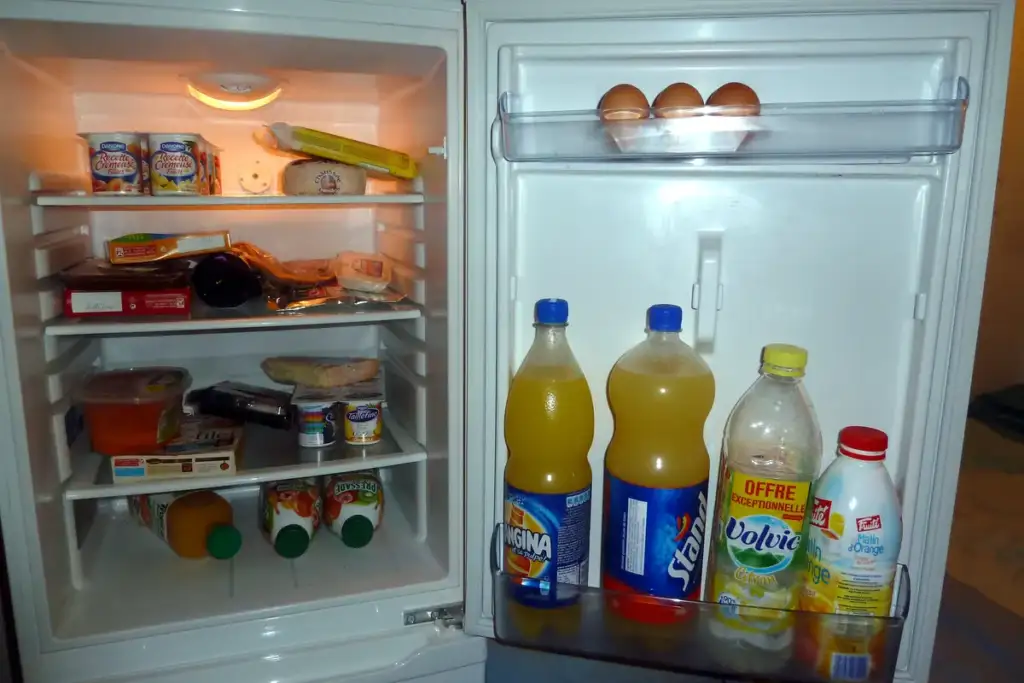
- Keep the refrigerator at 40 degrees Fahrenheit or below and the freezer at 0 degrees Fahrenheit or below.
- Reheat leftovers to 165 degrees Fahrenheit or hotter before serving, and use a thermometer rather than judging by appearance.
- Hot food being held before serving should stay at 140 degrees Fahrenheit or hotter.
- For cooked turkey and dishes made with it, such as a soup or a casserole, the CDC says to eat within 3 to 4 days.
United Kingdom, per the Food Standards Agency
- The fridge should be between 0 and 5 degrees Celsius, and the freezer around minus 18 degrees Celsius.
- Cool cooked food at room temperature and place it in the fridge within one to two hours. Do not put hot or warm food straight into the fridge.
- Eat leftovers within 48 hours, or freeze them if that will not happen.
- When cooking, the middle of the food should reach 70 degrees Celsius for 2 minutes, or an equivalent combination such as 75 degrees Celsius for 30 seconds or 80 degrees Celsius for 6 seconds.
- Reheat only once, and reheat until the food is steaming hot throughout.
- Defrost in the fridge, and use food within 24 hours of being fully defrosted.
The two sets of advice are not in conflict so much as differently framed: the American guidance gives you a thermometer target, the British guidance gives you a time and a visible test. Note that the UK leftovers window is shorter than the American one. If you cook in Britain and plan a five-day batch, the freezer is doing most of the work.
Cooking temperatures worth memorising
For the initial cook, the CDC lists safe minimum internal temperatures: all poultry, including ground chicken and turkey, at 165 degrees Fahrenheit; ground meats at 160 degrees Fahrenheit; whole cuts of beef, veal, lamb and pork at 145 degrees Fahrenheit with a 3-minute rest; and fish with fins at 145 degrees Fahrenheit or until the flesh is opaque.
Rice deserves its own paragraph
This is the batch-cooking staple with the most specific advice. The Food Standards Agency notes that uncooked rice can contain spores of a bacterium called Bacillus cereus, which can survive cooking. Its guidance is to chill leftover rice as quickly as possible, ideally within one hour, dividing it into smaller portions to help, and not to leave it cooling in the rice cooker, steamer or pan. Keep it in the fridge for no more than one day before reheating, never reheat rice more than once, and when you do reheat it, make sure it is steaming hot all the way through.
If a week of meal prep ideas is built on a large pot of rice, that one-day window is the constraint to design around. Freeze what you will not eat tomorrow.
A simple Sunday sequence
- Preheat the oven and start the longest item first.
- While it cooks, prepare the grain and the sauce.
- Portion food into shallow containers as each component finishes, rather than leaving everything out until the end.
- Get the portions into the fridge or freezer inside the window for your country, and label them with the date.
- Reheat one portion properly that evening, to the temperature above, and check that the reheated result is something you will still want on Thursday.
That last step is the one people skip, and it is the difference between meal prep ideas that stick and a fridge full of good intentions. Sound meal prep ideas are the ones you will still follow in week three.
Common questions
How long can I keep meal prep in the fridge? It depends where you are. The CDC gives 3 to 4 days for cooked turkey and dishes made with it, while the UK Food Standards Agency advises eating leftovers within 48 hours. Freeze anything beyond that.
How quickly do I need to refrigerate cooked food? The CDC says within 2 hours, or 1 hour above 90 degrees Fahrenheit. The FSA says to cool at room temperature and refrigerate within one to two hours.
What temperature should I reheat meal prep to? The CDC says 165 degrees Fahrenheit or hotter, measured with a thermometer. The FSA advises reheating once, until steaming hot throughout.
Is it safe to meal prep rice? Yes, with care. The FSA advises chilling it ideally within one hour, keeping it in the fridge no more than one day, and reheating only once until steaming hot.
Should I let food cool before putting it in the fridge? The FSA says to cool at room temperature first and not to put hot or warm food in the fridge, while getting it chilled within one to two hours. Shallow containers make that achievable.
Sources and further reading
Where the figures and rules above come from, so you can check them:
- Danger zone, 2-hour rule, fridge and freezer settings, cooking temperatures: CDC, Preventing Food Poisoning
- Reheating and hot holding temperatures: CDC, Preventing C. perfringens Food Poisoning
- Cooked turkey and dishes made with it within 3 to 4 days: CDC, Preparing Your Holiday Turkey Safely
- Fridge and freezer temperatures, cooling, leftovers, defrosting: Food Standards Agency, How to chill, freeze and defrost food safely
- Temperature and time combinations, reheating once: Food Standards Agency, Cooking your food
- Leftover rice advice: Food Standards Agency, Home food fact checker
Photo credits: Meal prep food container (43991880552) by Ella Olsson from Stockholm, Sweden, CC BY 2.0, via Wikimedia Commons. Freshly chopped vegetables on a wooden cutting board by Shixart1985, CC BY 2.0, via Wikimedia Commons. Food into a refrigerator – 20111002 by Bretwa, CC0, via Wikimedia Commons.



Join the discussion